

Products

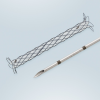
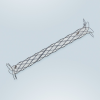
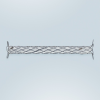
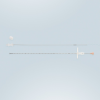
IUS / Intra-Uterine Shunt
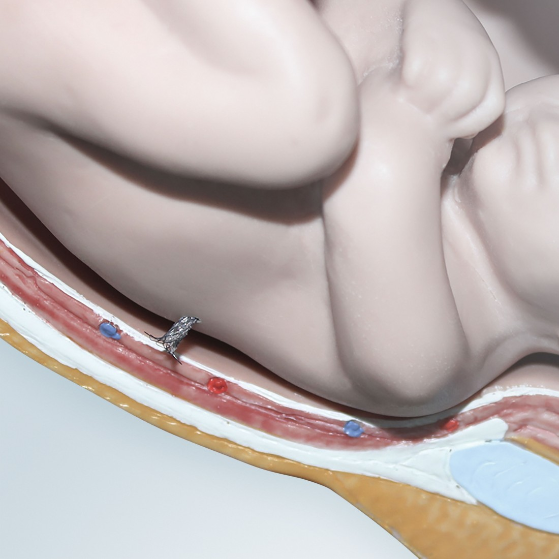
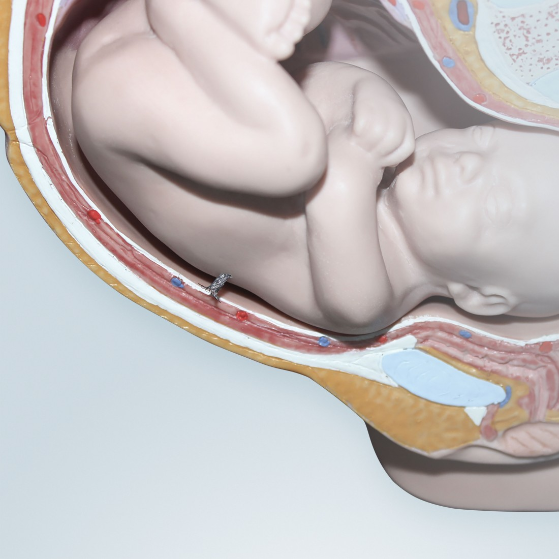
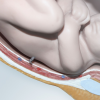
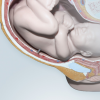
The SOMATEX® Intrauterine Shunt is used for the treatment of fetuses with restricted/impaired urinary outflow in the area of the kidneys, the ureters, the urinary bladder or the urethra.
Description
Product details at a glance:
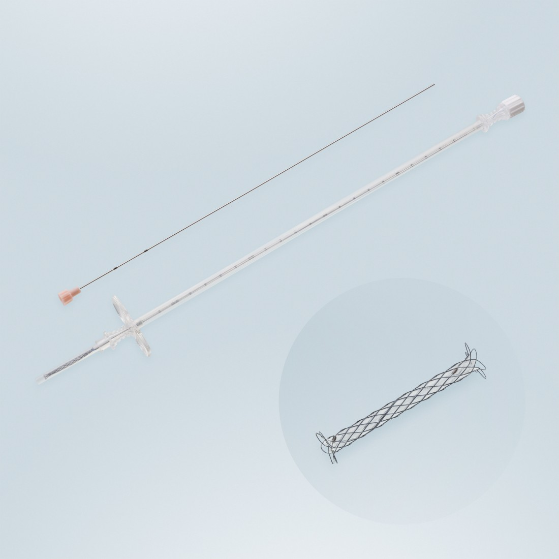
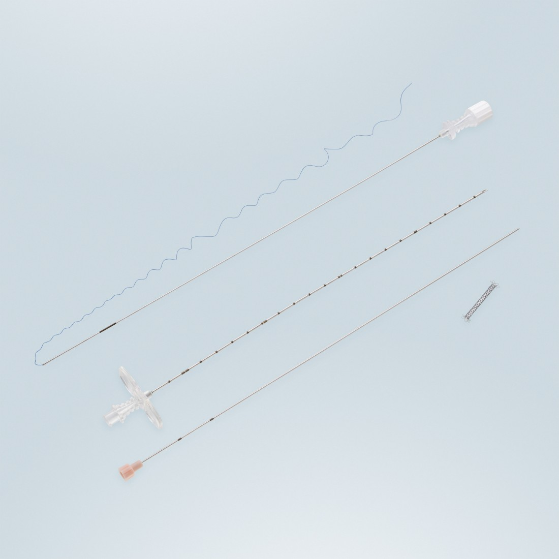
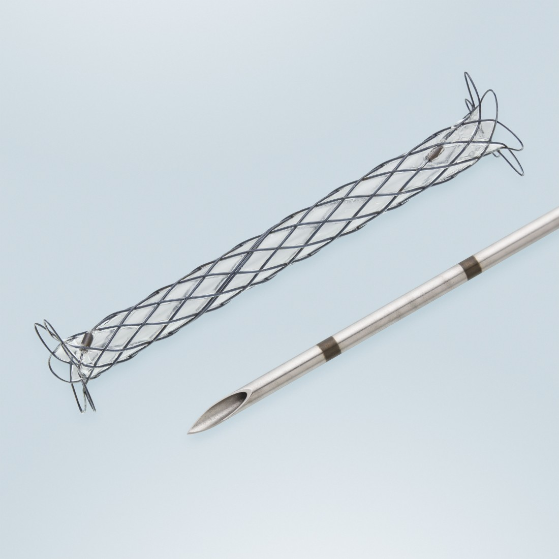
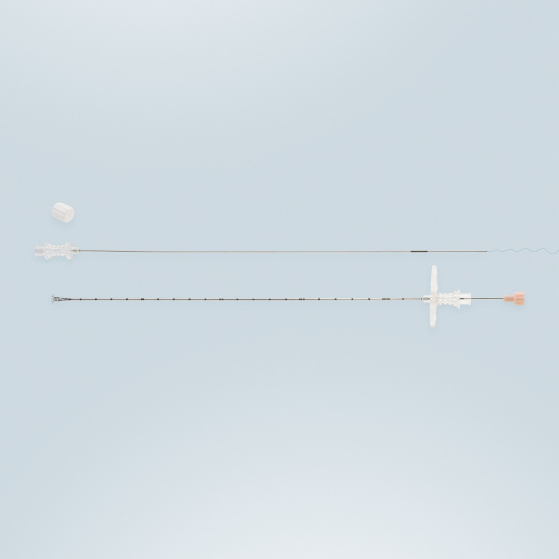
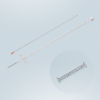
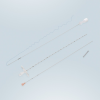
- Complete set consisting of shunt, puncture cannula (18 G / 220 mm), pre-loading system and ejector
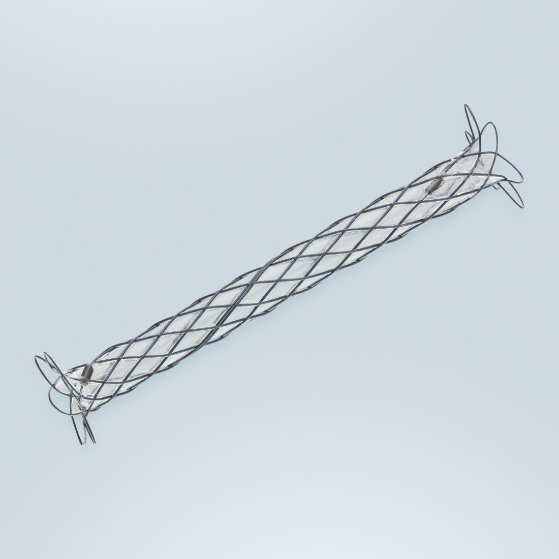
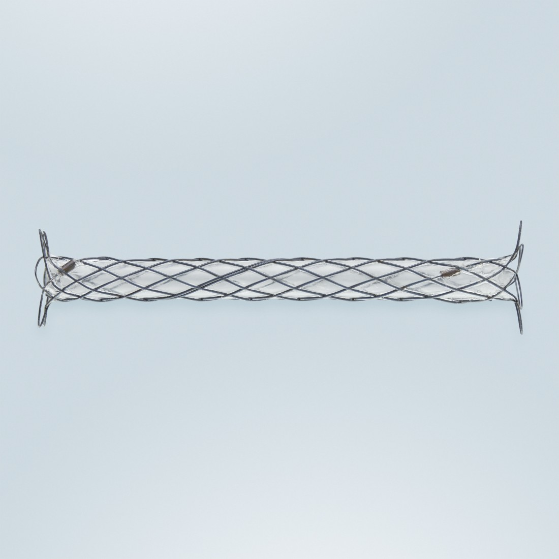
- Shunt consisting of nitinol wire mesh and internal, thin impermeable silicone coating
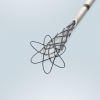
- Silicone-free, self-deploying parasols at the ends of the shunt
- X-ray markers on the parasol attachment pieces of the parasols for locating the shunt in the mother’s uterus if necessary after she has given birth.
- Large opening for drawing off the fluid
- Flexible construction of the shunt for optimum adaptation to the movements of the fetus and for decreasing the likelihood of clogging with suspended particles
- Self-deploying parasols for easier insertion in the fetal bladder
Material:
- Shunt: Nitinol
- Puncture needle: Stainless steel // readily visible in ultrasound, and particularly sharp due to ultra-grinding
Indications:
- Obstructive urinary tract disorders
The intrauterine shunt is a complete set consisting of the shunt, a puncture cannula (18 G / 220 mm), a pre-loading system and an ejector.
The cannula diameter is kept very small, at 18 G, to guarantee minimisation of the risk of rupture of the membranes during puncture.
Note:
The shunt itself consists of a fine nitinol gauze, with a self-deploying parasol located at each end. Whereas the inside of the wire mesh of the shunt body is covered with a thin but impermeable silicone coating, the parasols on the left and right of the body are silicone-free. The attachment pieces of both parasols are marked with x-ray markers, which makes it easier to find the shunt if it is still in the mother’s body after she has given birth.
The flexible construction of the shunt offers optimum adaptability to the foetal movements, and the large opening for drawing off the liquid avoids possible clogging with suspended particles.
Compared with conventional pigtail drains, the self-deploying parasols can more easily be placed in the small bladder of the foetus, and in addition they require a pull-out force that is approximately 35% higher.
Reviews
There are no reviews yet.